
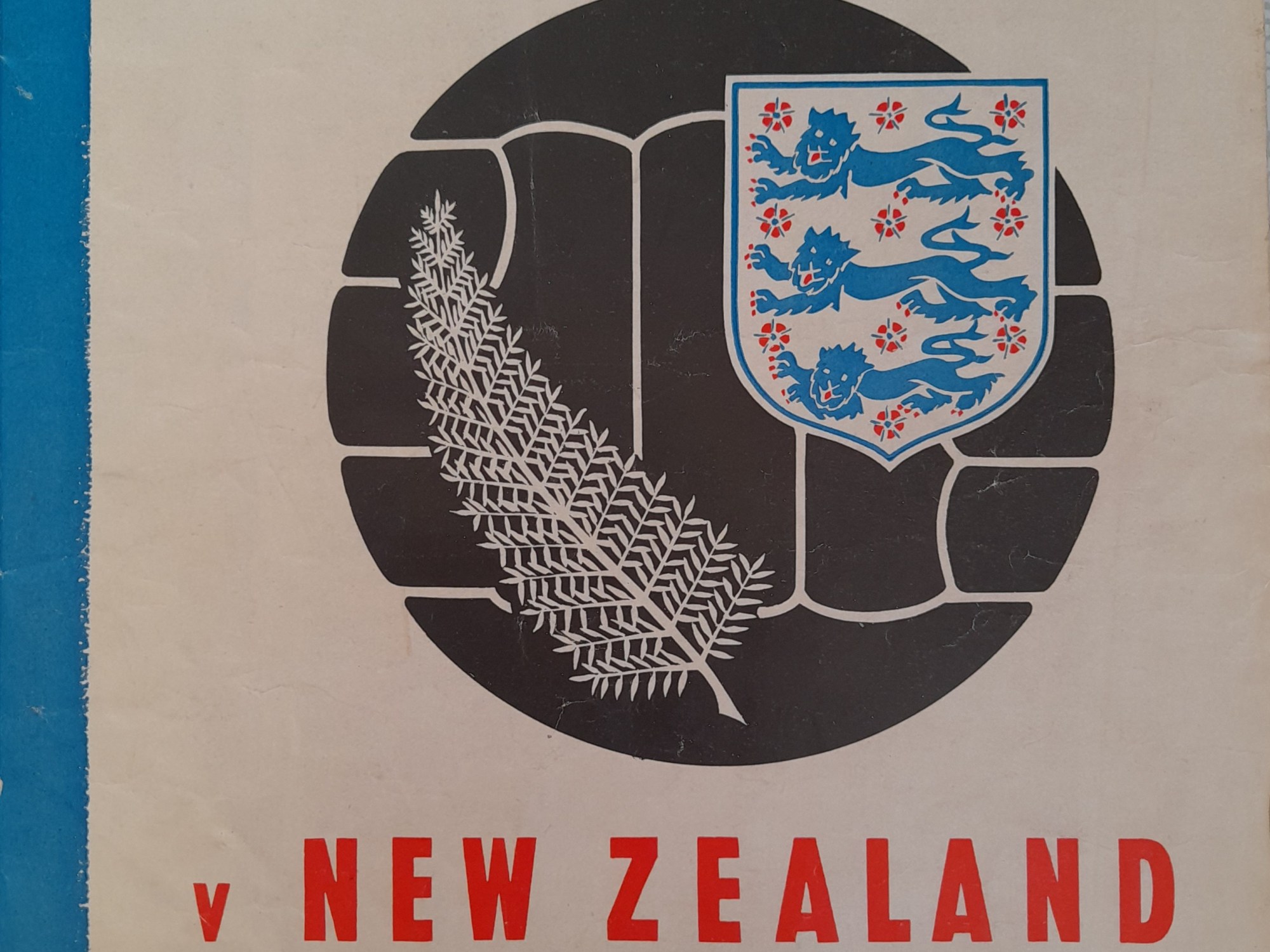
 On a largely forgotten world tour, a young pup who five years later would lift the World Cup at Wembley was being tutored by a footballing legend at the end of his glittering career.
In 1961 Bobby Moore’s international career was beginning as Tom Finney’s was ending. This was the 20-year-old Moore’s first trip away with any senior representative England team, on this occasion an FA XI which combined old and new, professional and amateur.
Finney, by then 39 and retired for a season from competitive action, was both captain and manager of the touring party playing games in Asia, Oceania and North America – and also its public face. He was footballing aristocracy having enjoyed a magnificent career spent in its entirety with Preston North End. For England he played 76 times, including at three World Cups, and by the time he earned his final cap no player had scored more than his 30 international goals. Moore had made his debut for West Ham aged just 17 and quickly became a regular. He had already captained England at youth and U23 level and this was his first step up to the senior stage.
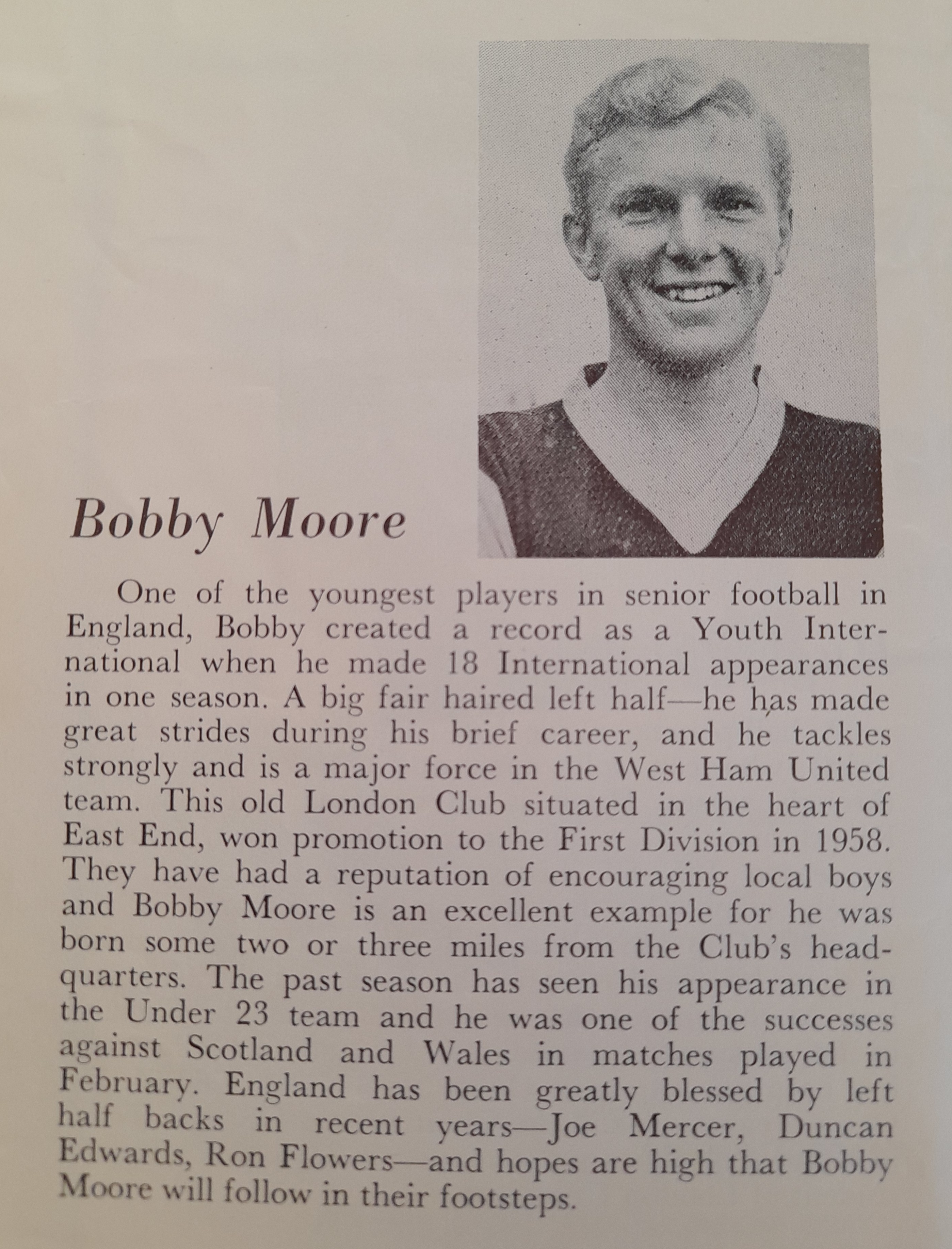
It didn’t take long for Moore to be won over by the veteran twice his age, as he recalled in his biography:
“Tom had been one of the giants of the game when I was a boy and had hung up his boots at Preston eighteen months before. As a brash young lad I couldn’t understand all the fuss about bringing the old chap out of retirement on that tour.
“Then we kicked off. It was as if Tom had never been away. That lovely, easy control of the ball, the appreciation of the game, the finishing, much of the change of pace, it just unfolded in front of me. I’d never played with a winger like that and I never would.”
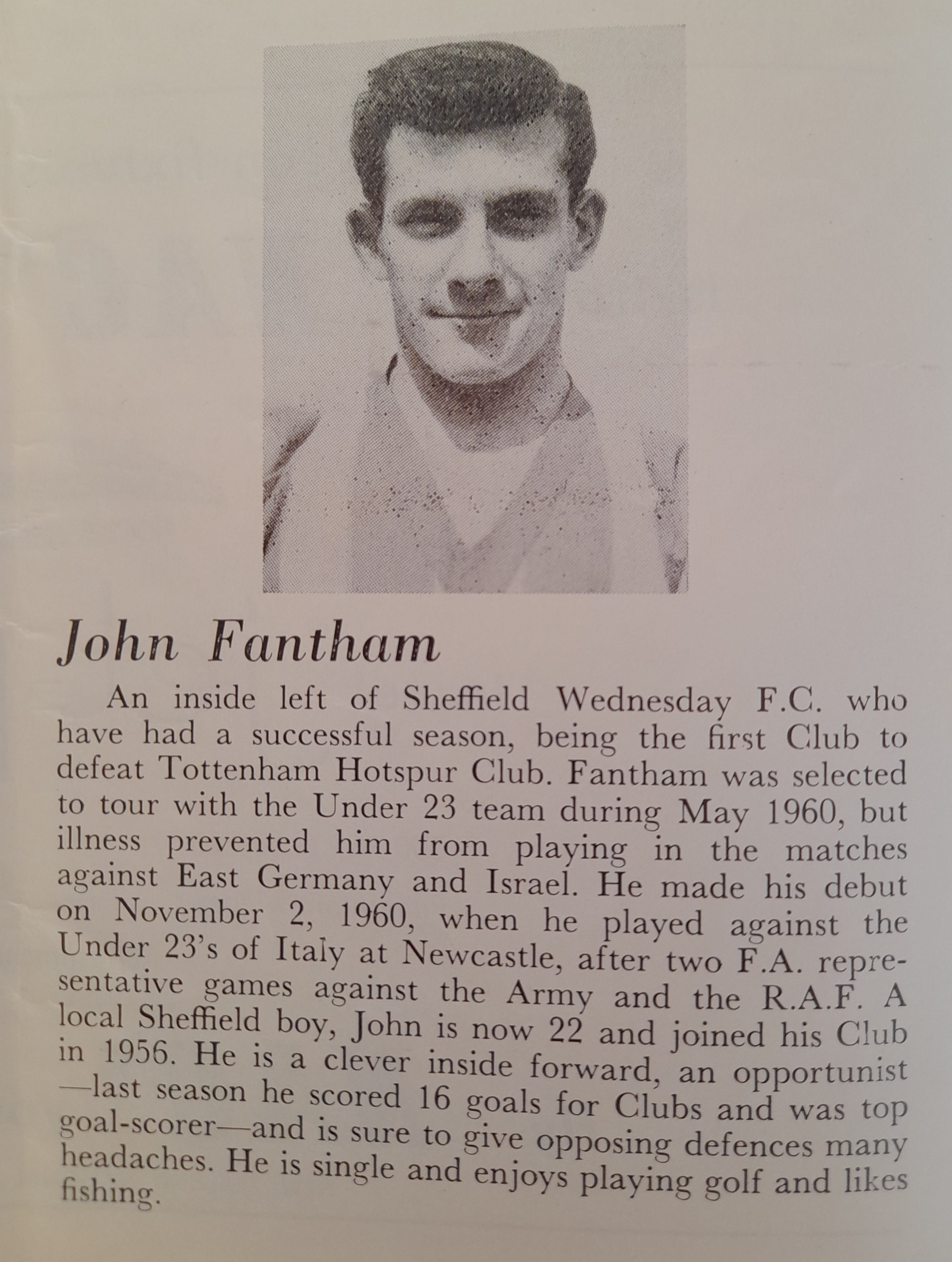
The squad that Finney led was a curious mixture of senior and amateur players. Liverpool’s Alan A’Court and Sheffield United’s Graham Shaw had both played for the full England side and a few months after this tour Johnny Fantham of Sheffield Wednesday would be picked for a World Cup qualifier. Blackpool’s Ray Charnley was also on the verge of selection and was finally called up the following year.
On the other hand Laurie Brown and Mike Pinner had represented Great Britain as amateurs at the 1960 Olympic Games. Some players came from top-flight sides, but others were drawn from the likes of Walthamstow Avenue, Kingstonian FC and Corinthian Casuals.
The group kicked off the tour on the 13th of May with a 4-2 win over Malaya – as it was then called – in the heat of Kuala Lumpur and thanks to a Ray Charnley hat-trick. Four days later it was George Hannah’s turn to score a treble as the English ran out 9-0 winners against Singapore in front of a crowd of 20,000. Charnley added to his tour tally with a brace as did Fantham, while Finney scored once in the rout.
In Hong Kong, the touring party continued their winning form with a 4-2 defeat of the national side at the Government Stadium, Charnley again scoring twice and Moore managing his first goal of the tour, before a Combined Chinese XI was defeated 3-0 a few days later. The squad’s next stop-off was Australia but the visitors were unable to fulfil any fixtures there due to the suspension of the Australian FA from FIFA over accusations of poaching touring European players in the late 1950s.
Fortunately, there was plenty of game time in New Zealand where there was massive interest in Finney, the first real football star to set foot in Aotearoa. Players such as former Chelsea great Ken Armstrong and Irish international Billy Walsh had moved there to play, but this was a real coup for the New Zealand Football Association which had been seeking to improve the status and standard of the game there for years.
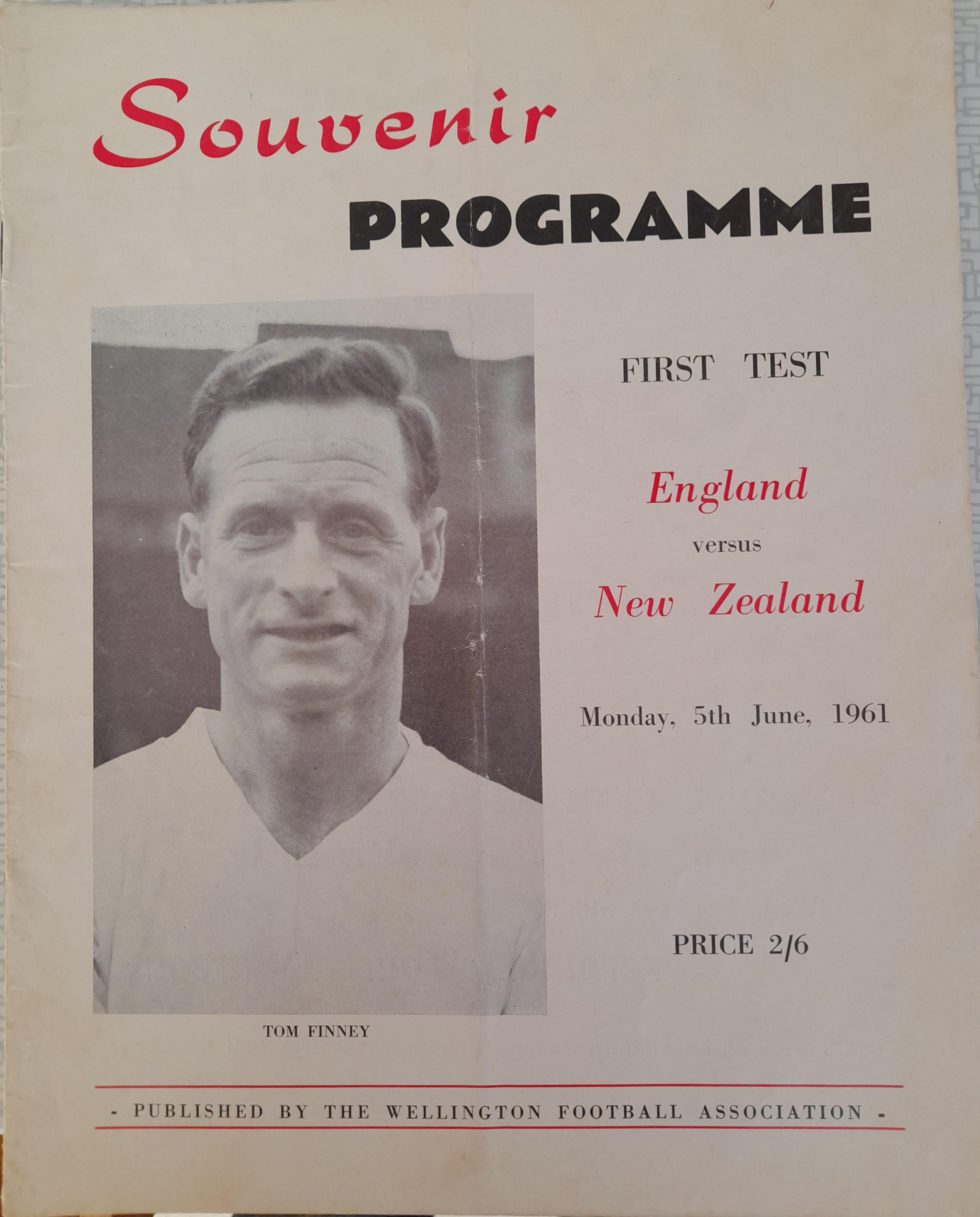
The FA Select experienced little trouble against starstruck local opposition: it began with a 10-0 romp over provincial side Otago in Dunedin and was followed up by an 11-1 stroll against Canterbury in Christchurch, with Finney scoring twice. Canterbury captain Paul Rennell was marked by Moore on a pitch left slippery by several days of rain. The midfielder had a run-in with the young defender that resulted in blood being spilled.
“English Park had a cycle track around it,” he said. “After a few minutes Peter Flynn played a long ball down the right wing and I raced after it. Standing there, waiting to pull the ball out of the air, was Bobby Moore, and as he did so I hit him on the shoulder and he flew off the grass on to the cycle track. He raced back on to the park and said to Tom Finney ‘Who the effin hell hit me?’. Finney winked at me and said to Moore ‘Too late, son, he’s gone’ and told him to go and get a bandage on his bleeding arm.”
Rennell may not have been awestruck by the relatively unknown Moore, but he would receive some invaluable lessons from the touring captain and leader: “I learned so much from Tom Finney that day. I was only 23 and he told me I had a good game and I found that to be one of the greatest honours in my career.”
That evening, at Rennell’s club’s annual ball, Moore discovered who the culprit was. He walked over to Rennell and the players shook hands and laughed about the incident.
Two days after the Christchurch mauling, the English beat the New Zealand national team 8-0 with Finney again among the scorers and the legend then scored his first hat-trick of the tour in the 13-0 demolition of New Zealand Minor Provinces in Napier.
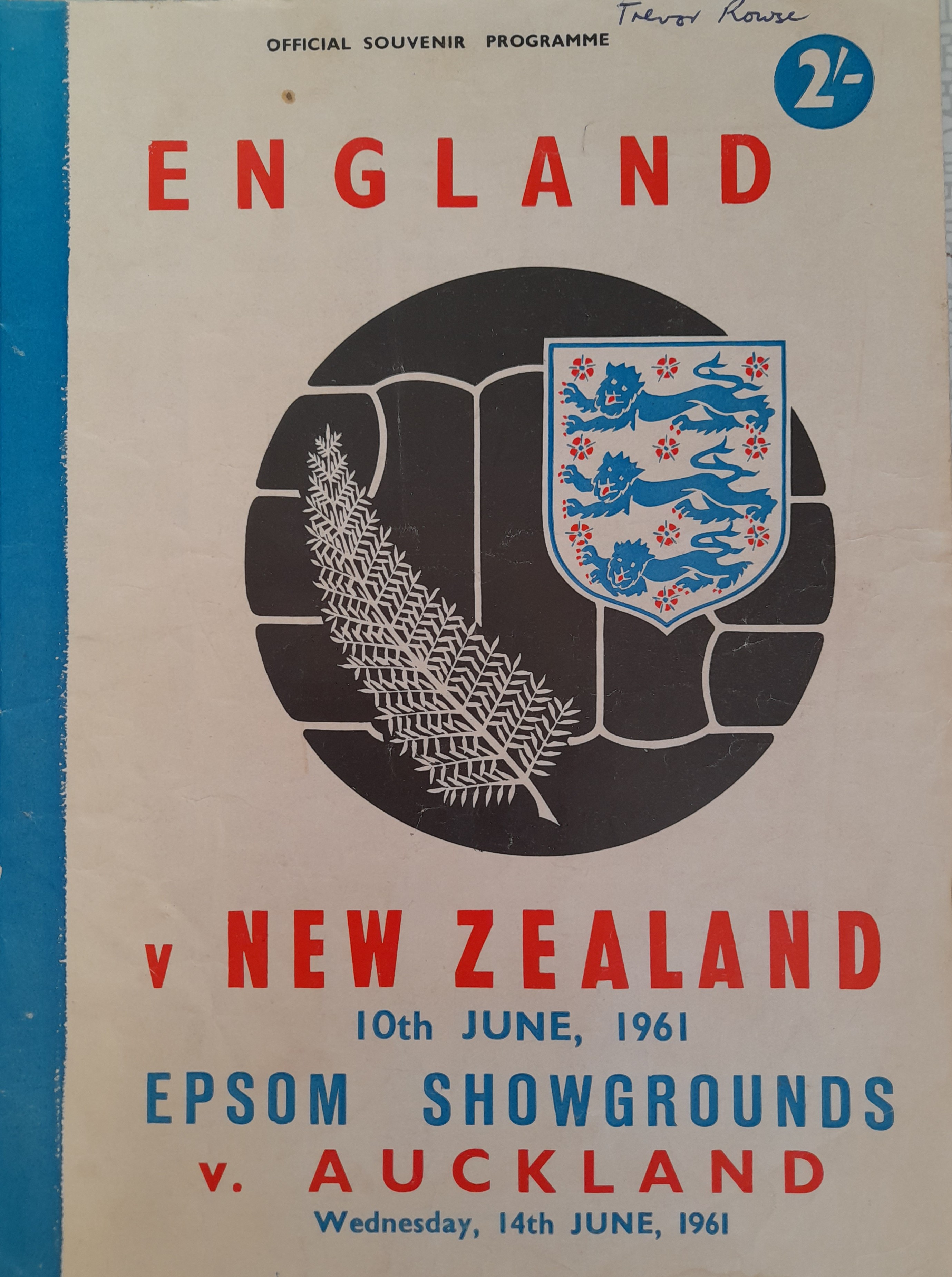
Finney also notched a brace in the 6-1 win over New Zealand in the second test in front of 16,500 fans in Auckland. It might have been more but for goalkeeper Peter Whiting who made a number of fine saves on his international debut, the tough tackling of Ken Armstrong and Arthur Leong’s marking of Finney playing their part too. England rounded off the trip with an 8-0 drubbing of Auckland four days later. On the way back home, the FA select stopped off in San Francisco where they struggled to overcome the city side 2-1.
While it was the end of the road for Finney, the young Moore’s career was on a stellar trajectory and a year later he was in Chile for the 1962 World Cup. The West Ham man was a late call-up and expected to be there just for the experience, but after being handed his first cap in the warm-up match against Peru in Lima and impressing coach Walter Winterbottom, he was picked for England’s opening World Cup game against Hungary. He kept his place in the side for the subsequent group matches against Argentina and Bulgaria, and for the quarter-final against Brazil. In just his fifth game for England, Moore lined up against Garrincha, Vava, Zagallo et al. While the 3-1 defeat ended England’s participation in the finals, the defender was now an established star and on the path to the legendary status he enjoys in English footballing folklore.
English FA Touring Squad
Tom Finney (ex Preston North End) Player-Manager-Captain
Alan A’Court (Liverpool)
Colin Appleton (Leicester City)
Laurie Brown (Northampton Town)
Bobby Brown (Fulham)
Ray Charnley (Blackpool)
Fred Else (Preston North End)
John Fantham (Sheffield Wednesday)
Mike Greenwood (Corinthian Casuals)
Grenville Hair (Leeds United)
George Hannah (Manchester City)
Jim Lewis (Walthamstow Avenue)
Hugh Lindsay (Kingstonian)
Bobby Moore (West Ham United)
Mike Pinner (Manchester United)
Graham Shaw (Sheffield United)
Gerry Summers (Sheffield United)
Bryan Thurlow (Norwich City)
Stan Anderson (Sunderland) and Joe Shaw (Sheffield United) were included in the original tour party, but withdrew before flying out.

 Beyond The Last Man