
With a current world FIFA ranking of 19th, Japan enters World Cup  year with hopes of replicating its Quarter-Final appearance at the 2002 tournament they co-hosted. The nation’s modern status in the contemporary game and the level of expectation that accompanies it speaks volumes of the seismic changes the game in Japan has undertaken in a modest period of time.
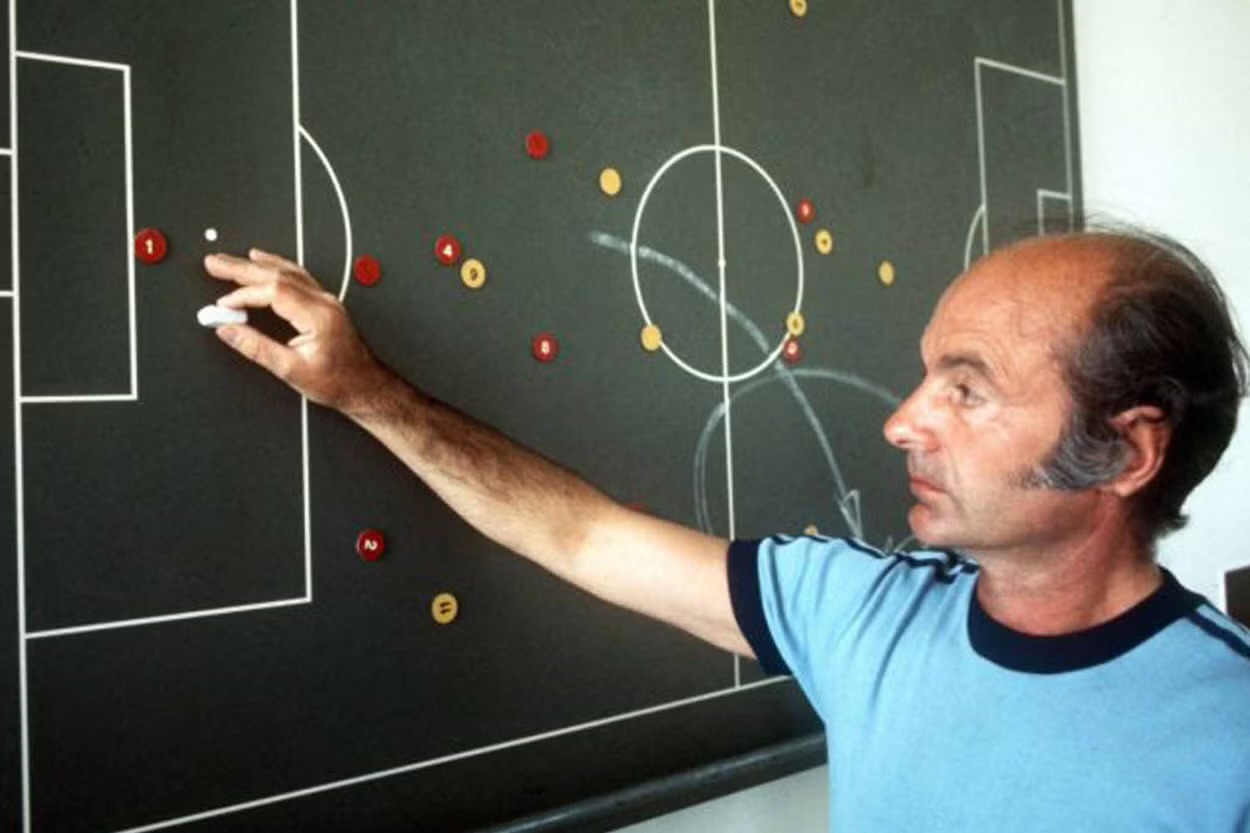
A significant reason for this improvement traces back to Dettmar Cramer, a largely forgotten German coach who arrived in Japan at the start of the 1960s and was tasked with the job of leading the national team ahead of the 1964 Olympic Games, a tournament to be hosted in Tokyo. Dortmund-born Cramer had a modest playing career followed by an equally modest managerial one, coaching minor regional sides in northern Germany – there was certainly little indication he would one day earn the respect of the great and the good of the German game, like Franz Beckenbauer who dubbed him ‘the football professor’.
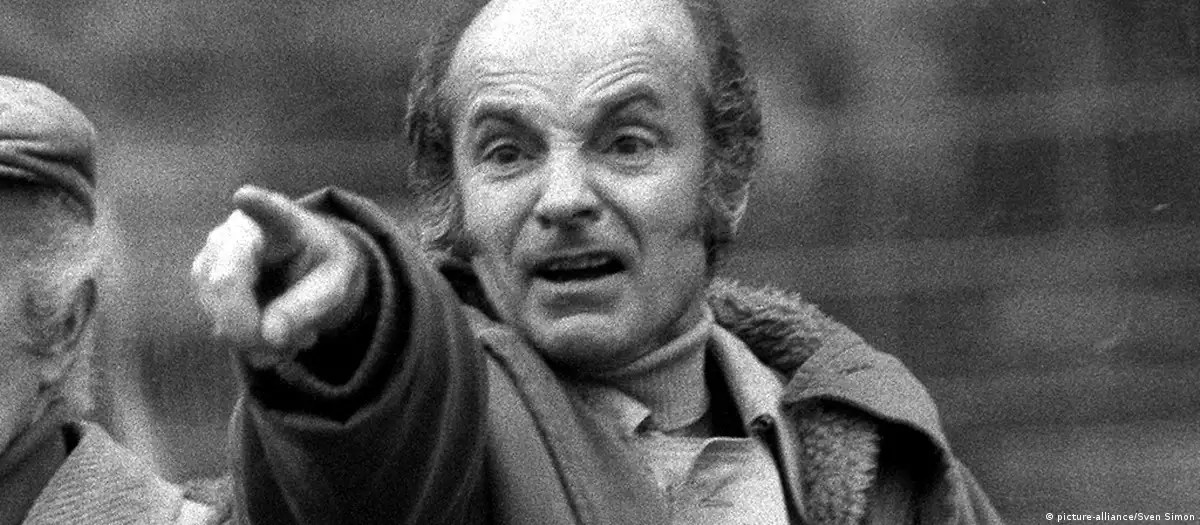
His career took a forward step when he was appointed as a talent scout and coach for the Deutsche Fussball-Bund (DFB) in 1948. His good work there led to his appointment as Japan’s national team coach through an agreement struck between the West German and Japanese federations. Japan was desperately in need of fresh faces and fresh ideas. Twin losses to South Korea had eliminated them from qualifying for the 1962 World Cup and other humiliating defeats to India, Burma, Singapore and South Vietnam brought into sharp focus the extent of their diminished status. Just a month before the 1964 Olympics they were thrashed 4-0 by Cambodia in the Merdeka Tournament.
A real turning point came when the Olympic football event proper kicked off and, on the 14th October 1964 at the Komazawa Stadium, Japan bounced back in the last ten minutes from to score twice and beat Argentina 3-2. Defeat to Ghana followed, but that opening victory ensured progression to the quarter-finals where Czechoslovakia were much more worldly-wise and won comfortably.
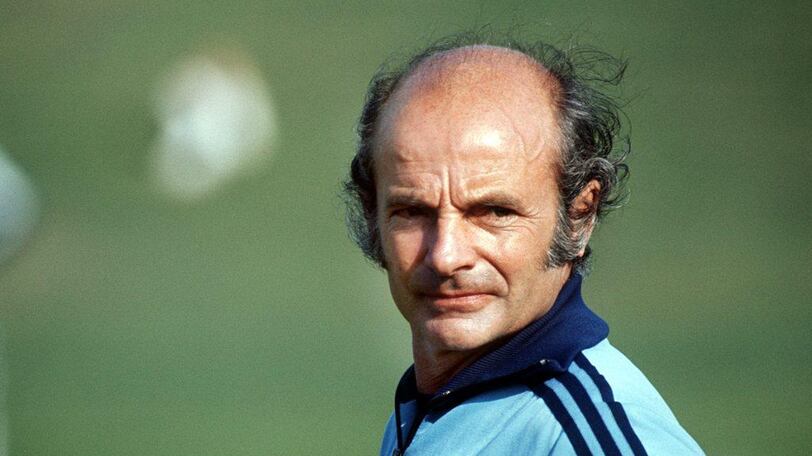
Cramer’s role stretched beyond the day-to-day management of the national team and his energy and ideas modernised every aspect of Japanese football. He trained local coaches, established youth development programmes and championed a national league — finally realised in 1965 when the Japan Soccer League kicked off its inaugural season. The future president of the Japan Football Association, Kuniya Daini, believes his country would have lagged behind without Cramer’s influence.
In his role as technical adviser to coach Ken Naganuma at the next Olympics in Mexico City in 1968, Cramer helped Japan achieve a hugely credible bronze medal. Nigeria and France were both defeated 3-1 and respectable draws against Spain and Brazil were also achieved. Hungary proved too strong in the semi-final and so In the bronze medal play-off the Japanese faced hosts Mexico and won 2-0. Kunishige Kamamoto became the nation’s first bona fide star thanks to the seven goals he scored across the tournament which saw him finish as top scorer.
His work back in Japan continued unabated and alongside Olympic medallist Shigeo Yaehashihe he established the first FIFA coaching school in Chiba Prefecture, a centre of excellence which became renowned for producing future international players. Cramer remained humble about his impact, telling a German newspaper: “I only lit the spark. After three months in Japan I wrote articles about the country and its people. Two years later I threw them all away and corrected my mistakes, because Japan, its history and people, knew better,” he told a German newspaper. “I have a nasty character, an ugly temper and no patience. From the Japanese I learned to be patient.”
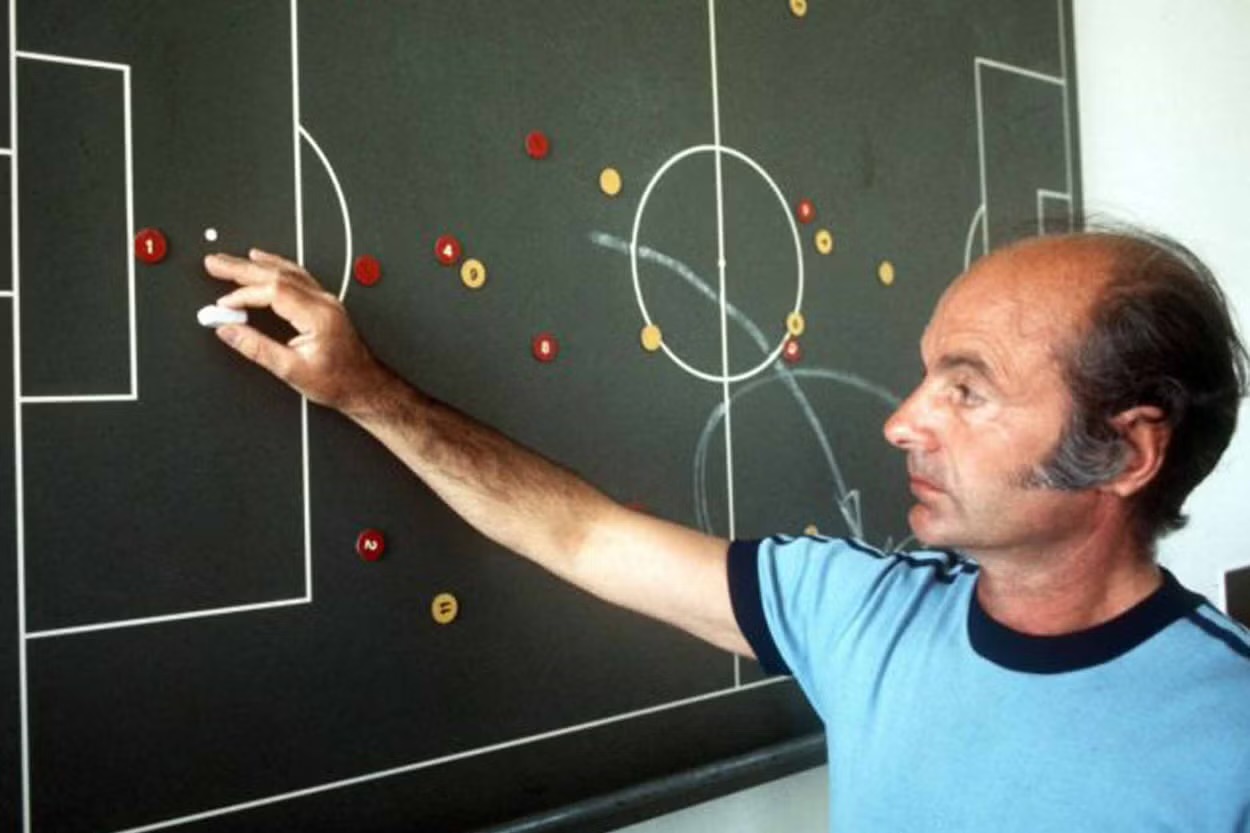
Cramer’s death in 2015 at the age of 90 was widely mourned in the Japanese football community and the nation’s modern progress to become World Cup regulars and Asian powerhouses is testament to the groundwork put in by this unassuming German coach six decades earlier.

 Beyond The Last Man